Red Line Synthetic Oil
 |
 |



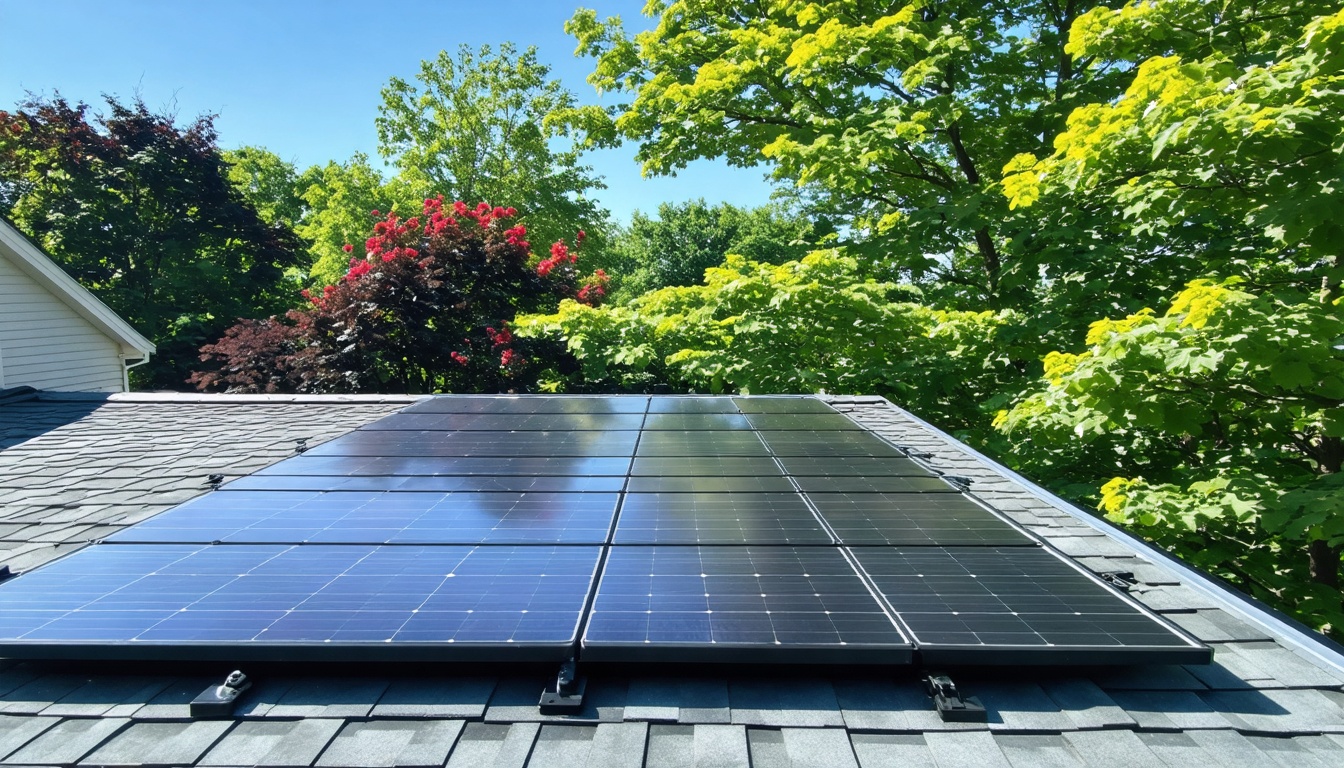
How New Jersey Homeowners Can Make the Most of Their Solar Potential
Homeowners in New Jersey can benefit from solar energy by reducing their electricity costs, increasing their property value, and contributing to environmental sustainability. The state offers various incentives, flexible financing options, and improvements in technology that make the adoption of solar energy more attainable. However, it is essential for homeowners to understand how to effectively maximize their investment and navigate the available choices. To begin, homeowners should familiarize themselves with the financial incentives provided by the state, such as solar renewable energy certificates (SRECs), which allow them to earn credits for their solar energy production. Additionally, federal tax credits may further enhance financial feasibility. Financing options are also available, including solar loans and leases, which can help homeowners manage the upfront costs of installation. Understanding the terms and implications of these financial arrangements is crucial for optimal decision-making. Furthermore, homeowners should consider factors such as their roof's orientation, shading, and overall energy consumption patterns when evaluating potential solar systems. A professional assessment can provide insights into the optimal system size and configuration necessary to meet individual needs. In summary, while the transition to solar energy in New Jersey presents significant advantages, careful consideration of the available incentives, financing options, and individual property characteristics is necessary to ensure a well-informed and beneficial investment decision.
Understanding How Solar Power Works in New Jersey
Solar power systems utilized by homeowners in New Jersey primarily use solar photovoltaic (PV) panels. These panels consist of silicon cells that generate direct current (DC) electricity when exposed to sunlight. An inverter then converts this DC electricity into alternating current (AC), making it usable for household consumption.
Typically, the solar panel system is connected to the homeowner's electrical panel, allowing for direct integration with the home's electrical system. In certain cases, battery storage may be included, enabling backup power during periods without sunlight and allowing for energy storage when production exceeds immediate consumption.
New Jersey has implemented a net metering program, which allows homeowners to receive credits for any excess energy their solar systems produce. This surplus can then be used to offset future electricity costs.
Additionally, the New Jersey Board of Public Utilities offers various programs, such as Solar Renewable Energy Certificates (SREC), rebates, and other financial incentives, all aimed at alleviating the financial challenges associated with the installation of solar power systems.
These programs are integral to the broader effort to promote the adoption of renewable energy technologies across the state.
Evaluating the Costs and Potential Savings of Solar Panels
When considering the installation of solar panels for residential use in New Jersey, a detailed financial analysis is essential. Homeowners generally require a solar panel system with an estimated capacity of approximately 12.32 kW, which incurs an upfront cost of around $31,549. For a more accurate estimate, homeowners can obtain competitive quotes from https://solarpanelsnewjersey.com/ to help with their financial planning.
However, this initial investment can be offset through various state incentives, tax exemptions, rebates, and programs such as the Successor Solar Incentive (SuSI).
The implementation of net metering allows homeowners to receive credits for any excess renewable energy generated by their solar systems, which can lead to lower monthly electricity expenses.
Other programs, including Solar Renewable Energy Certificates (SRECs) and power purchase agreements (PPAs), may also provide financial advantages compared to purchasing the system outright.
To ensure cost-effectiveness, homeowners should obtain competitive quotes, such as those from EnergySage, to facilitate informed decision-making and potentially lower overall expenditures.
Adding backup battery storage to the solar system can improve energy reliability and offer further long-term savings.
In summary, a well-researched approach can yield both immediate and future financial benefits when considering solar energy solutions.
Exploring State and Federal Incentives for Solar Adoption
When evaluating solar adoption in New Jersey, it is important to consider the various state and federal incentives that can improve the financial feasibility of this investment. New Jersey provides several state-level incentives, such as exemptions from solar sales tax and property tax, which can lower both the initial costs and ongoing financial responsibilities related to solar energy systems.
Programs like the Solar Smart Incentive (SuSI) and the Solar Renewable Energy Certificate (SREC) initiatives offer financial benefits based on the energy production of solar systems. These programs provide payments linked to the amount of electricity generated, which can help mitigate initial installation expenses.
On the federal level, the solar investment tax credit (ITC) allows homeowners to deduct 30% of their solar installation costs from their federal taxes, further reducing the overall financial obligation.
Utilizing these incentives can lead to cost savings, lower expenditure per square foot, and potentially increase the long-term value of solar panel installations. It is advisable to conduct a detailed evaluation of these benefits to make an informed decision regarding the adoption of solar energy.
Net Metering and Energy Storage Options
To effectively manage utility expenses while maximizing solar energy investments, it is essential to understand the advantages of net metering in New Jersey. This program allows homeowners to earn credits for any excess electricity produced by their solar panels. Under this framework, overseen by the state’s Board of Public Utilities, participants can receive compensation at retail energy rates, which can provide some stability against potential fluctuations in future energy market rates.
Incorporating a battery storage system can further optimize the functionality of a solar installation. These systems enable homeowners to store excess energy generated during peak sunlight hours for use during periods of increased energy demand or higher electricity costs. This capability supports energy independence and has the potential to generate cost savings over time.
Additionally, various financial incentives and rebates, including the Solar Renewable Energy Certificates (SREC) and the Solar Incentive Program (SuSI), can enhance the financial feasibility of solar panel installations. Utilizing these programs can help homeowners increase the economic benefits associated with solar energy while also contributing to a reduction in monthly electricity expenses.
Assessing Solar Equipment Quality and Selection
Selecting quality solar equipment is important for homeowners in New Jersey who want effective energy performance and cost efficiency. High-efficiency solar panels are advisable as they optimize energy output based on the available installation space, which can help lower the overall cost per kilowatt-hour produced.
Incorporating compatible battery systems can provide backup power during outages and improve energy storage efficiency. Additionally, aligning these systems with the home's electrical panel is crucial for optimal performance.
Investing in higher-end solar panels can be beneficial financially, as they typically have slower degradation rates compared to standard models, thus providing better long-term value. Homeowners should take into account product warranties and state incentives available through programs such as those offered by the New Jersey Board of Public Utilities or the ‘SuSI Program,’ which can help reduce initial installation costs.
Careful consideration of these factors is essential, as they can significantly impact project costs, energy rates, and potential long-term savings associated with solar energy systems.
Choosing a Reputable Solar Installer
When selecting a solar installer in New Jersey, it is essential to prioritize a provider with a strong reputation, as this can influence the overall efficiency and reliability of your solar energy system. Utilizing platforms such as EnergySage can be advantageous; this service pre-screens solar companies operating in New Jersey, connecting homeowners with qualified installers for solar panel systems, battery storage, and backup power solutions.
To make a well-informed choice, it is prudent to compare various factors, including rates, performance metrics, installation costs, and the responsiveness of customer service across different installers. Additionally, consulting resources such as the Department of Energy, COMMUNITY ratings, and the records from the Board of Public Utilities can offer valuable insights into the credibility and history of various providers, including companies like Public Service Solar.
Furthermore, understanding potential financial incentives available in New Jersey, such as rebates, the Solar Renewable Energy Certificate (SREC) program, and net metering is crucial. These incentives can significantly reduce the initial costs and enhance the overall value of solar installation.
Homeowners should familiarize themselves with these financial options to optimize their return on investment while transitioning to solar energy.
Navigating Solar Regulations and Permitting
When considering the installation of solar energy systems for residential use in New Jersey, it is important to understand the existing regulatory frameworks and the permitting process involved. The New Jersey Department of Environmental Protection has implemented guidelines aimed at preserving local ecosystems, making adherence to local permitting procedures a necessary step in the installation of solar panels or battery storage systems.
Homeowners are advised to conduct a comprehensive review of utility rates and the policies established by the New Jersey Board of Public Utilities. Additionally, it is important to verify that the selected solar panel systems are compatible with state-sponsored incentive programs, including the Solar Successor Incentive (SuSI) program and the Solar Renewable Energy Certificate (SREC) program.
Engaging with local communities during the planning stages may help mitigate costs and streamline the approval process. Aligning solar projects with the standards set forth in the Renewable Energy Act can enhance compliance with regulatory requirements.
Moreover, taking advantage of available rebates and financial incentives can significantly lower both the initial setup costs and ongoing expenses associated with solar energy systems. Participation in net metering programs can also provide financial benefits, as it allows homeowners to earn credits based on the energy produced by their systems.
Siting Solar Projects for Maximum Efficiency
In New Jersey, the siting of solar projects requires a thorough analysis of efficiency alongside environmental factors. The state's commitment to renewable energy necessitates compliance with guidelines established by the appropriate regulatory bodies, including the Board of Public Utilities. Familiarity with state incentives and regulations is essential for effective project development.
When assessing potential locations for solar installations, the efficient use of space is a key consideration. A comparative analysis of rooftops versus landfills indicates that each alternative presents specific benefits; rooftops may alleviate land use conflicts, while landfills often offer larger areas suitable for solar development.
Prioritizing sites based on energy output per square foot can contribute to lower overall expenditures and improved system performance.
Engaging with the local community during the planning stages can yield benefits. Building public support may enhance perceptions of the project and could create opportunities for accessing financial incentives, including rebates and Solar Renewable Energy Certificate (SREC) programs.
Additionally, familiarity with net metering options is crucial for effectively managing long-term energy costs.
In conclusion, the effective siting of solar projects in New Jersey requires a comprehensive strategy that balances efficiency, regulatory adherence, and community involvement.
Financing Strategies for New Jersey Solar Installations
Understanding the financial landscape for solar installations in New Jersey is crucial for homeowners considering this renewable energy option. A range of financing mechanisms exists, such as solar loans, home equity loans, and power purchase agreements (PPAs). These options aim to lower the initial financial investment required for solar panel systems and reduce overall lifetime costs.
In New Jersey, several incentive programs are available that further enhance financial viability. The Sustainable Solar Incentive (SuSI) program, Solar Renewable Energy Certificate (SREC) programs, and various state rebates offer substantial financial benefits for solar adopters.
Additionally, homeowners can take advantage of the Board of Public Utilities’ net metering program, which enables them to receive credits for the electricity produced by their solar systems.
The incorporation of battery storage systems may increase the overall value of solar installations by providing backup power during outages and allowing for optimized energy consumption. This integration can lead to cost savings, particularly as utility rates are projected to rise.
Overall, multiple financing pathways and incentive structures exist in New Jersey, making solar energy a potentially feasible option for homeowners looking to invest in renewable energy.
Analyzing Current Trends and Future Prospects in Solar Energy
New Jersey's solar energy landscape is characterized by a range of policy initiatives and financial incentives that support its growth in solar capacity, currently exceeding 5 GW.
Key programs, including the Solar Successor Incentive (SuSI) Program, the Solar Renewable Energy Certificate (SREC) program, net metering, and various rebates, are implemented to lower initial investment costs for homeowners, enhance energy affordability, and allow for credits on surplus energy produced by solar systems.
The New Jersey Board of Public Utilities actively oversees the implementation and management of community solar initiatives, battery storage solutions, and power purchase agreements.
These efforts aim to facilitate the adoption of solar technology while providing potential long-term financial advantages for participants.
Prospective solar energy users should analyze the existing market dynamics carefully, as potential changes in policies or the regulatory environment could impact energy rates and the financial effectiveness of current state incentives.
Conclusion
Investing in solar energy in New Jersey presents both financial and environmental advantages. Homeowners can benefit from various incentives, including state tax credits and federal programs such as the Investment Tax Credit (ITC), which can significantly reduce the initial costs of installation. It is important to research and select reliable solar equipment and qualified installers, as product quality and installation expertise play crucial roles in the system's performance and longevity. Additionally, adhering to local regulations and obtaining any necessary permits is essential to ensure compliance and avoid potential issues. Homeowners have the option to own their solar systems outright or participate in community solar programs, which can provide access to solar energy without the need for rooftop installations. Overall, exploring solar options allows New Jersey residents to contribute to sustainable energy initiatives while potentially reducing electricity costs in the long term.

Sections on this site: |

 |
||||||||||
|
||||||||||
 |
||||||||||
|
||||||||||
 |
||||
|
||||
 |
|||||||
|
|||||||
 |
||||||||||
|
||||||||||
 |
||||||||||||||||
|
||||||||||||||||
|
||||
|
||||
Oil Supplier for Racing Vehicles | Red Line Oil Dealers in the UK and Europe | Redline Gallery
Motor Oils | Gear Oils | Fuel Additives | Coolants | Suspension Fluids | Red Line Oil News
Synthetic Oil Distributor | Terms & Conditions | Returns Policy | Cookie Policy | Site Map
Red Line Oil © 2017 - Red Line Synthetic Oil